Blog
scroll down

Blog
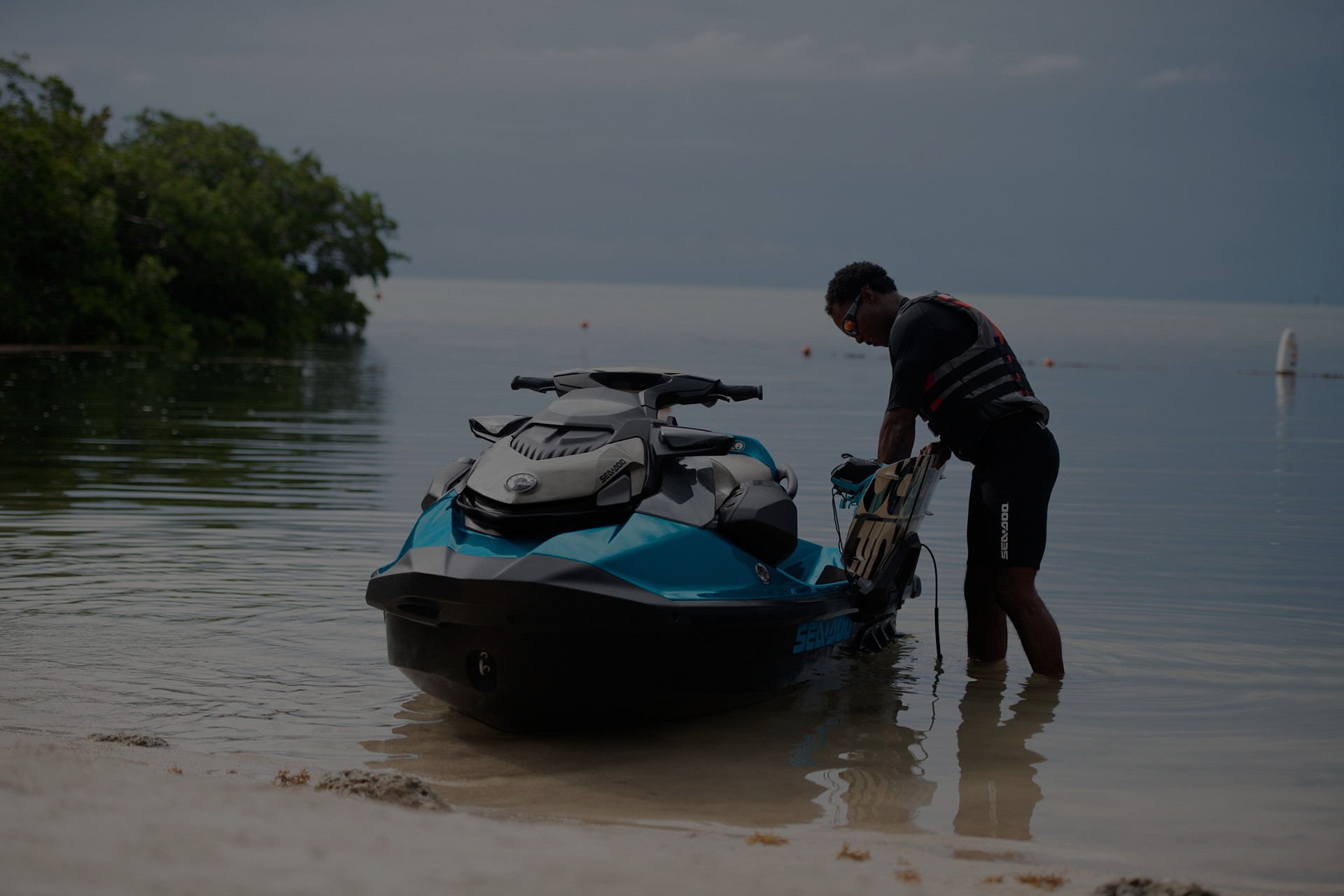
Quiet zones are designated areas where noise above 45 dB is prohibited. They primarily include water bodies and their banks, as well as forests. For enthusiasts of motorboats and jet skis, this means they won't be able to relax on the water with the engine roaring everywhere. The aforementioned engine roar is the main reason for the bans, as for some it means fun, while for others it prevents peaceful rest in silence.
Quiet zones are areas where, according to regulations, noise above 45 dB is not allowed. This ban primarily applies to watercraft powered by combustion engines, such as motorboats. However, it also applies to overly loud cars or sound equipment.
A quiet zone may apply exclusively to a specific body of water or additionally cover 500 meters of the strip around the shoreline. However, it does not apply to dense urban or rural buildings, railway lines, public roads, or access roads to campsites or camping grounds.
Issues related to noise restriction or prohibition are primarily regulated by Article 15, paragraph 1 of the Nature Conservation Act concerning national parks and nature reserves, where paragraph 20 mentions the prohibition of disturbing the peace, and paragraph 21 informs about the ban on using motorboats and other motor equipment, engaging in water and motor sports, swimming, and sailing, except in water bodies or routes designated by the national park director, and in nature reserves – by the authority recognizing the area as a nature reserve.
The responsibility for designating quiet zones lies with the county council, which can limit or completely prohibit the use of watercraft on recreational water bodies. However, the council's competencies do not include navigable waters.
Quiet zones must be properly marked. For this purpose, sign A12, distinguished by the symbol of a crossed-out propeller on a white disc with a red border, is used.
It is worth adding that restrictions or bans in quiet zones apply to motorized units, meaning those powered by an engine. The legal regulations do not specify what type of engines are concerned, so in this interpretation, it should be assumed that the regulations also include electric engines. However, in practice, it turns out that for many water bodies in Poland, county council resolutions regarding quiet zones allow the use of electric engines, even though navigation signs do not always indicate such consent.
For not complying with regulations by emitting noise above 45 dB in designated quiet zones, a fine of 500 PLN is imposed. At the same time, these bans do not apply to the police, fire brigade, or nature protection guards.
|
Dziewięć Włók 33A 83-021 Pruszcz Gdański |
|
Phone: |
|
Email: |
|
PR: |
 GMB
GMB KATALOG
 Blog
Blog


